School: Kamaile Academy Public Charter School
Grade Level: Grades 2-3
Teacher: Chassidy Kaaihue, Steven Moore, and Camille Kaye
Driving Question: How do art and theater activities enhance our haumana’s critical thinking skills and social skills to uplift our Kamaile community?
What did the students DO?
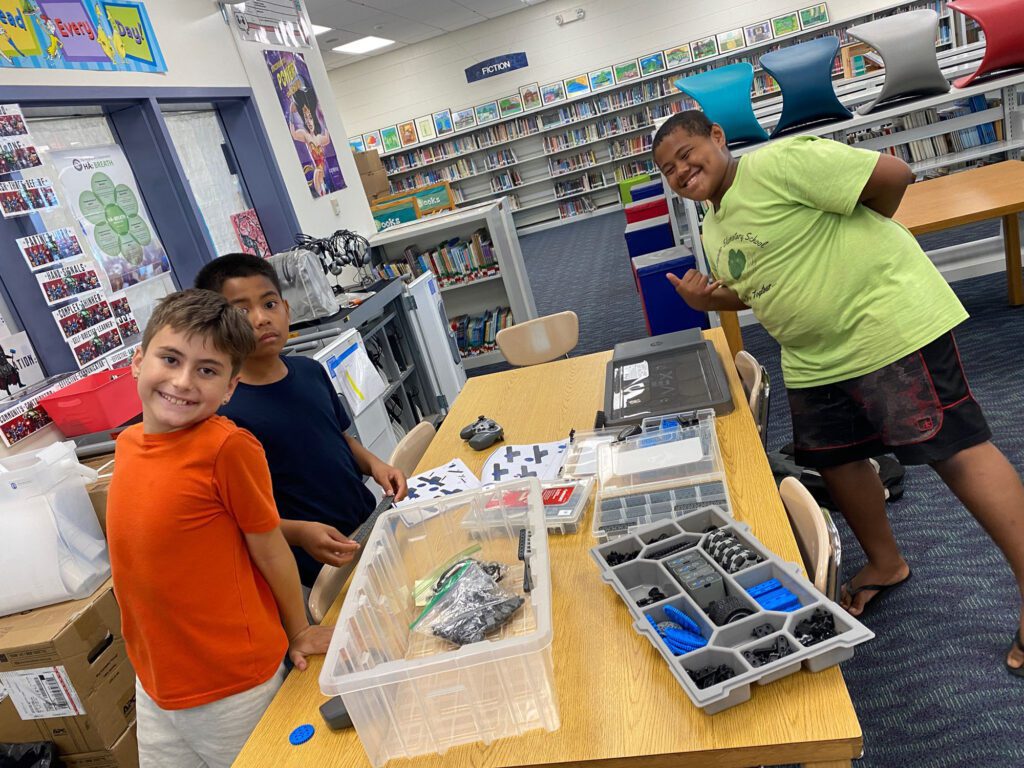
The Ponobots team embarked on an exciting robotics journey, participating in tournaments and engaging in creative projects like programming games and making stickers. Although they didn’t advance to states, they’ve prepared for Hoʻike by showcasing their year-long learning through personalized videos and sticker designs.
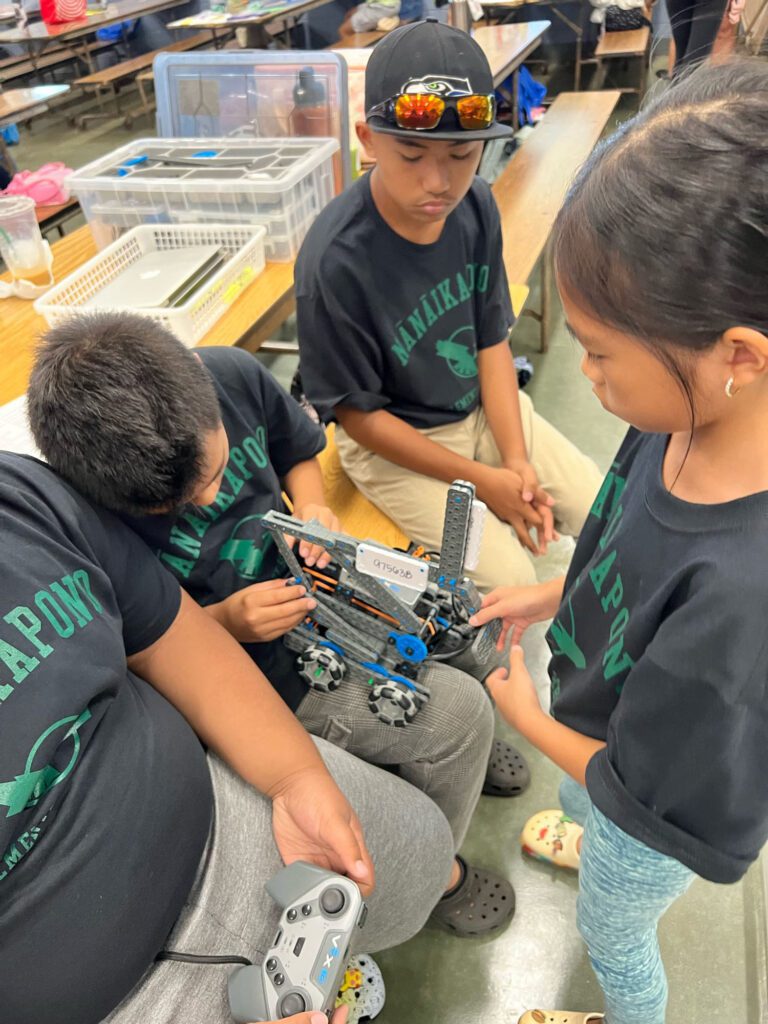
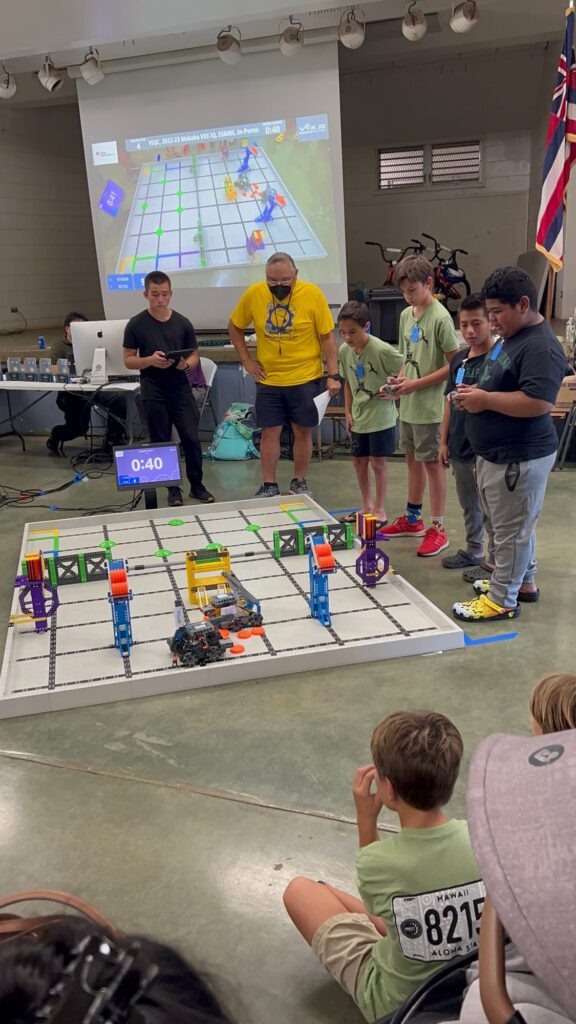
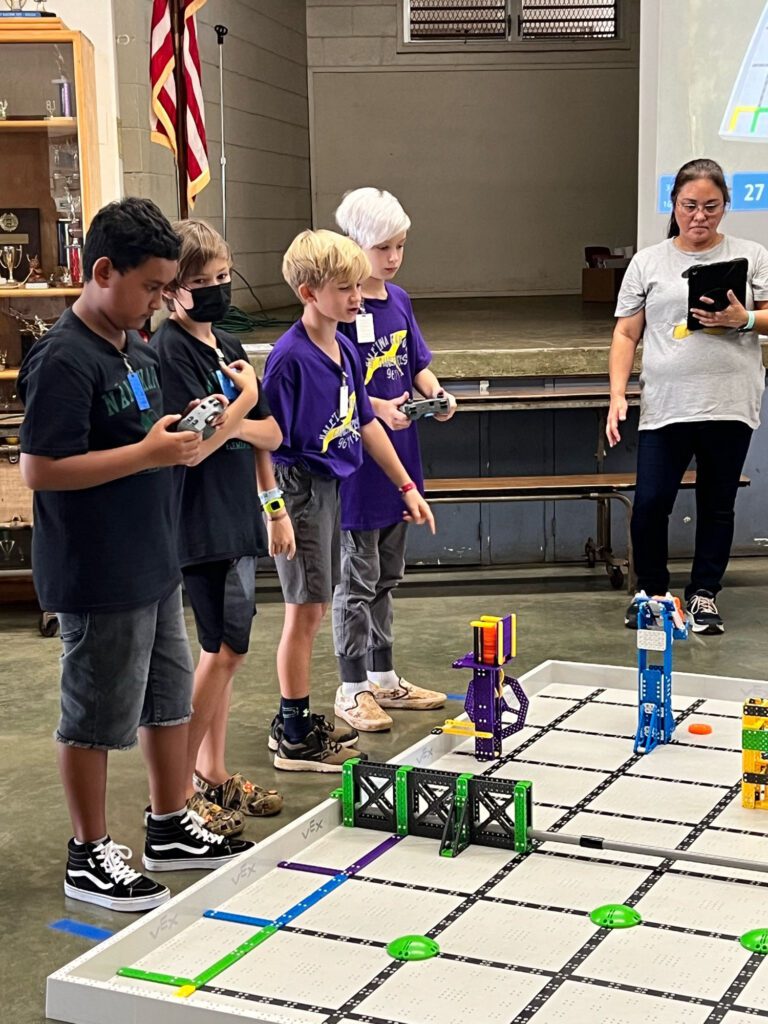
- Robotics Development and Competitions: Students participated in their first tournament following a Fall Robotics Camp in collaboration with WHS Searider Robotics. They entered two additional tournaments, making significant progress in modifying their robots and learning from each experience. Despite not advancing to the state level, the team demonstrated resilience and shifted their focus toward preparing for the school’s Hoʻike celebration.
- Creative Projects: Alongside robotics, students explored creative outlets by designing games using Scratch. This provided a fun and engaging way to develop programming skills. They also learned to use the Silhouette Cameo to design and produce personalized stickers, which they plan to distribute during Hoʻike. These projects allowed students to express their creativity and technical skills in new ways.
- Individualized Learning Showcases: Each student created a personal video to reflect on their growth and learning throughout the year. These videos highlight their journey, challenges, and accomplishments, offering a meaningful way to share their experiences with the broader school community.
The Ponobots program provided an enriching environment for students to explore both technical and creative outlets. The experience of building and modifying robots, competing in tournaments, and working on creative projects like Scratch games and sticker designs has empowered students to develop problem-solving skills, teamwork, and perseverance. The program also addressed behavior challenges constructively, allowing all students to fully participate and thrive. As the year concluded, the students demonstrated not only their technical skills but also their creativity and collaboration through their individualized projects for Hoʻike.